dingli@dlbio-dryer.com
+86 157-1520-0291(Wechat/WhatsApp)
dingli@dlbio-dryer.com
+86 157-1520-0291(Wechat/WhatsApp)

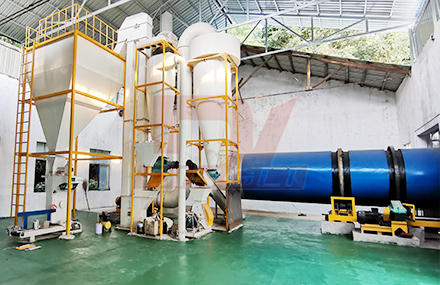
Corrosion and wear directly limit the service life of coal slime dryer. Achieving durable anti-corrosion and anti-rust performance requires a multi-dimensional, systematic approach—encompassing operational suitability, process control, and maintenance protocols—rather than relying on any single material.
First, material selection must be tailored to the varying corrosion intensities across different dryer components. Standard carbon steel is suitable for the frame and external non-contact areas to control costs; however, core components that come into direct contact with coal slurry and high-temperature flue gas—such as the rotary drum and lifting flights—should be constructed from weathering alloy steel or composite steel plates.

Second, standardized surface pretreatment serves as the foundation for corrosion protection. Since 80% of a coating's durability depends on the quality of surface preparation, industry standards for rust removal must be strictly followed. High-pressure sandblasting should be used prior to application to remove mill scale, oil, dust, and old coatings, ensuring a strong mechanical bond between the coating and the substrate to prevent future peeling.
Third, a multi-layered coating system reinforces core protection. Appropriate coating systems should be selected based on the specific corrosion characteristics of different components to achieve comprehensive, multi-level protection.
In summary, the long-term anti-corrosion and anti-rust performance of coal slurry dryers results from the synergy of material suitability, process standards, coating systems, and routine maintenance. Only by meticulously controlling every detail in alignment with actual operating conditions can stable, long-term equipment operation be achieved while minimizing maintenance and operating costs.