dingli@dlbio-dryer.com
+86 157-1520-0291(Wechat/WhatsApp)
dingli@dlbio-dryer.com
+86 157-1520-0291(Wechat/WhatsApp)

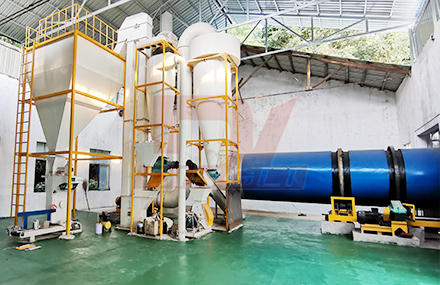
Many clients wonder: when it comes to drying sawdust, why do price quotes vary by tens or even hundreds of thousands? As custom-engineered equipment, the price of sawdust dryer differences stem primarily from three factors:
1. Internal Structure and Thermal Efficiency: While the drying drums may look identical, a "triple-pass" structure offers nearly double the thermal efficiency of a single-pass design, leading to significant savings on fuel costs over time. The thickness and grade of the steel used for the drum also determine the equipment's lifespan.

2. Ancillary Systems and Customization Costs: A complete production line comprises various subsystems, including feeding, heat sourcing, and dust removal. Choices such as the heat source (natural gas vs. coal) and the level of dust filtration directly impact the total price. Specialized designs—such as anti-clogging features for high-moisture or sticky materials—also add to R&D costs.
3. Manufacturer Capabilities and Service: Reputable manufacturers with in-house fabrication capabilities and comprehensive after-sales support include installation guidance and warranty coverage in their quotes. In contrast, low-priced equipment often cuts corners on these "hidden" aspects, potentially leading to higher maintenance costs down the line.
Purchasing Advice: Do not focus solely on the low price of the base unit. Instead, consider your production volume, material characteristics, and environmental compliance requirements to calculate long-term operating costs. It is also advisable to visit the manufacturer in person to witness a test run, ensuring you do not sacrifice long-term value for short-term savings.


【Location】: Chongqing
【Capacity】: 1.5tph

【Location】: Burundi
【Capacity】: 1t/h

【Location】: Kenya
【Capacity】: 20tph